

12%

15%

14%

15%

If you’re considering a metal shed for your garden, you’re probably wondering: do metal sheds rust in the UK’s damp climate? The honest answer is yes, metal sheds can rust over time, but modern manufacturing techniques and proper maintenance can significantly reduce this risk. Most quality metal sheds use galvanised steel, which provides excellent rust resistance for many years.
The good news is that rust doesn’t have to be inevitable. With the right knowledge about prevention and early treatment, your metal shed can remain rust-free for decades. Understanding what causes rust, recognising the warning signs, and taking preventative action will help you protect your investment and keep your garden storage looking smart.
Let’s explore everything you need to know about metal shed rust prevention and treatment, so you can make an informed decision about your garden storage needs.
Do Metal Sheds Rust?
Yes, metal sheds can rust, but the likelihood and speed of rusting depend entirely on the type of metal used and how well the shed is maintained. Most modern metal sheds sold in the UK are made from galvanised steel, which has a protective zinc coating that significantly slows down the rusting process.
Cheap, uncoated steel sheds will rust relatively quickly in our British climate, often showing signs within the first year. However, quality metal garden sheds from reputable brands like Yardmaster, Asgard, and Trimetals are designed to resist rust for many years.
The key is understanding that rust is a gradual process. It doesn’t happen overnight, and with proper care, you can prevent it from becoming a serious problem. Even if your shed does develop minor rust spots, they’re usually treatable if caught early.

What Causes a Metal Shed to Rust?
Rust forms when iron or steel comes into contact with oxygen and moisture—a process called oxidation. In the UK, we have plenty of both, making rust prevention particularly important for outdoor metal structures.
Several factors accelerate rusting in garden sheds:
- Humidity and rain: Our wet climate means metal surfaces are frequently damp
- Scratches and damage: Any breach in protective coatings exposes bare metal
- Salt air: Coastal areas are particularly challenging for metal structures
- Poor ventilation: Trapped moisture inside the shed creates ideal rusting conditions
- Ground contact: Areas where the shed touches wet soil are vulnerable
Temperature fluctuations also play a role. When warm, moist air hits cold metal surfaces, condensation forms, creating the perfect environment for rust to develop. This is why proper ventilation and site preparation are crucial when installing your shed.
Galvanised Steel — Does It Still Rust?
Galvanised steel is regular steel coated with a layer of zinc, which acts as a sacrificial barrier against rust. The zinc corrodes instead of the steel underneath, providing excellent protection. However, galvanised steel isn’t completely rust-proof forever.
Quality galvanised sheds typically resist rust for 10-15 years or more, depending on the thickness of the zinc coating and environmental conditions. Premium brands often use hot-dip galvanising, which provides thicker, more durable protection than electroplated zinc coatings.
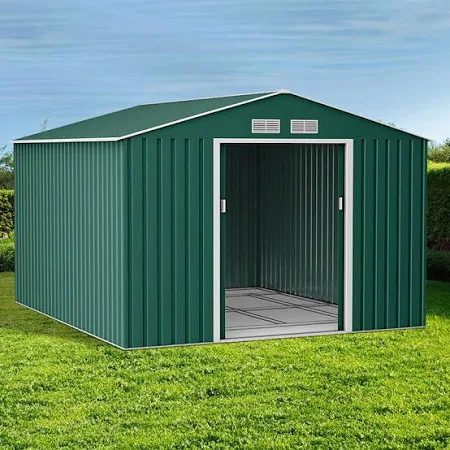
Eventually, the zinc coating will wear thin, especially in areas of high wear or damage. Once the zinc is compromised, the steel underneath becomes vulnerable to rust. This is why even galvanised sheds benefit from regular maintenance and protective treatments.
Some manufacturers also apply additional powder coating or paint over the galvanised steel, providing an extra layer of protection and helping your metal shed last longer.
How to Spot Early Signs of Rust on a Metal Shed
Catching rust early is crucial for successful treatment. During your regular garden maintenance, check your metal shed for these warning signs:
- Brown or orange spots: The classic sign of rust formation
- Discoloured areas: Patches where the original finish looks different
- Surface roughness: Areas that feel rough or pitted when touched
- White deposits: On galvanised steel, this indicates zinc corrosion
- Flaking paint or coating: Peeling protective finishes expose vulnerable metal
Pay particular attention to:
- Door hinges and handles
- Areas where panels join together
- The base of the shed, especially near ground level
- Any scratches or dents in the surface
- Roof areas where water might collect
Regular inspections—perhaps quarterly—will help you spot problems before they become serious. It’s much easier to treat a small rust spot than to repair extensive corrosion damage.

How to Prevent Your Metal Shed From Rusting
Prevention is always better than cure when it comes to shed rust. Here are the most effective strategies for keeping your metal shed rust-free:
Choose the Right Location
Site your shed on level, well-draining ground. Avoid low-lying areas where water collects, and ensure good airflow around the structure. A proper concrete base or raised foundation keeps the shed dry and prevents ground moisture from causing problems.
Maintain Proper Ventilation
Install adequate ventilation to prevent condensation buildup inside the shed. Ridge vents, louvre panels, or simple air bricks help maintain airflow and reduce humidity levels.
Regular Cleaning
Clean your shed annually with mild soapy water to remove dirt, salt, and other corrosive substances. Rinse thoroughly and allow to dry completely. This simple maintenance significantly extends your shed’s life.
Protective Treatments
Apply rust-inhibiting treatments to vulnerable areas. Wax-based products provide excellent protection for galvanised surfaces, while specialist metal paints can refresh worn areas.
Prompt Repairs
Fix any damage immediately. Touch up scratches with appropriate paint or primer to prevent moisture from reaching the underlying metal. Replace damaged components before rust has a chance to spread.
How to Treat Rust if It’s Already Started
If you’ve discovered rust on your metal shed, don’t panic. Early-stage rust is usually treatable with the right approach:
Surface Rust Treatment
For light surface rust:
- Clean the affected area thoroughly
- Remove loose rust with a wire brush or sandpaper
- Apply a rust converter or neutraliser
- Once dry, prime and paint the area with suitable metal paint
More Extensive Rust
For deeper rust damage:
- Use a power drill with a wire brush attachment to remove all rust
- Sand back to bare metal if necessary
- Apply rust-inhibiting primer
- Finish with two coats of high-quality metal paint
If rust has caused structural damage or created holes, you may need to replace affected panels. This is where choosing quality metal sheds from reputable manufacturers pays dividends—replacement parts are usually available.
Professional Help
For extensive rust damage, consider professional treatment. Shot blasting and re-galvanising services are available for severely affected sheds, though this might not be cost-effective compared to replacement.
Frequently Asked Questions
How long before a metal shed starts rusting?
Quality galvanised metal sheds typically don’t show rust for 5-10 years with normal use and minimal maintenance. Cheaper, uncoated steel sheds may rust within the first year. Proper maintenance and good site conditions can extend rust-free life significantly.
Can I paint over rust on my metal shed?
You shouldn’t paint directly over rust as it will continue to spread underneath. Always remove loose rust, treat with a rust converter, and use appropriate primer before painting. This ensures the paint adheres properly and provides lasting protection.
Are metal sheds worth it if they rust?
Yes, quality metal sheds offer excellent value despite the rust risk. They’re secure, low-maintenance, and with proper care, can last 15-25 years or more. The rust resistance of modern galvanised sheds, combined with their other benefits, makes them a popular choice for UK gardens.
Does WD-40 prevent rust on metal sheds?
WD-40 provides short-term moisture displacement but isn’t a long-term rust prevention solution. For lasting protection, use products specifically designed for metal shed maintenance, such as galvanising sprays or rust-inhibiting waxes.
Ready to Buy a Metal Shed?
Now you understand how to prevent and treat rust, you can confidently choose a metal shed for your garden. Quality galvanised steel sheds offer years of reliable service with minimal maintenance, making them an excellent investment for secure garden storage.
Browse our full range of metal garden sheds to find the perfect solution for your needs. All our metal sheds feature quality galvanised construction and come with comprehensive warranties for your peace of mind.
